Duration
13 Days

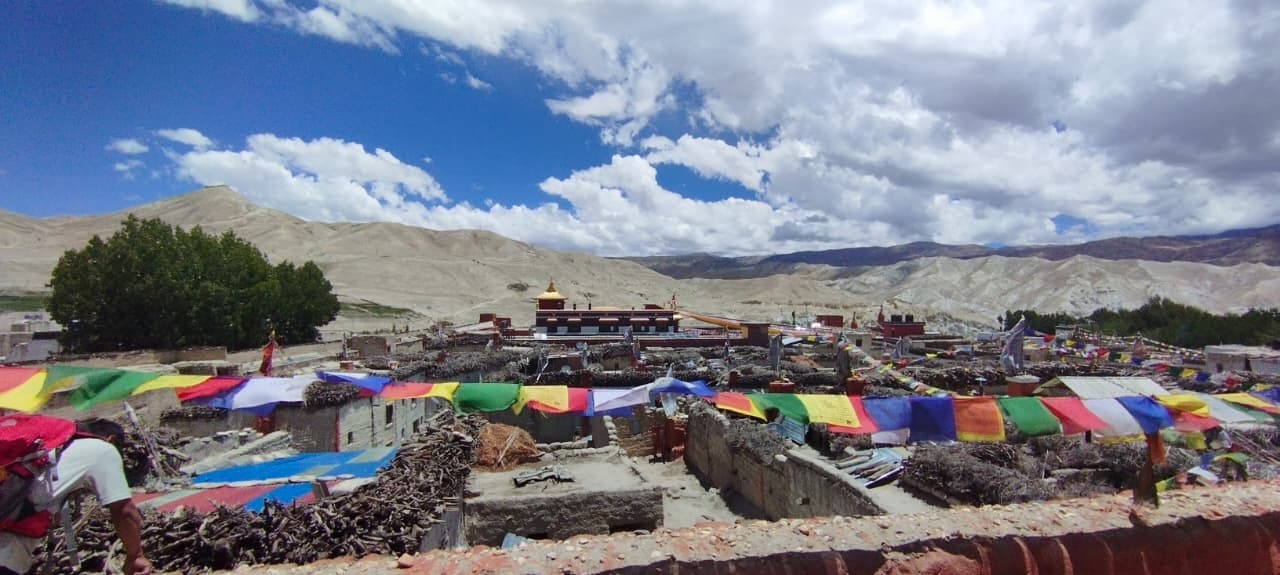
The Upper Mustang Trek is one of Nepal’s most extraordinary and culturally immersive Himalayan adventures. Hidden beyond the Annapurna and Dhaulagiri ranges, Upper Mustang feels dramatically different from Nepal’s greener trekking regions. Its vast, arid valleys, towering red and ochre cliffs, ancient caves, whitewashed villages, Buddhist monasteries, and traditional Tibetan-influenced culture create a truly unforgettable landscape.
For centuries, the region existed as an isolated Himalayan kingdom. Mustang remained a separate kingdom within Nepal until the mid-20th century, and Upper Mustang was opened to international trekkers only in 1994. Today, the region remains a restricted trekking area, helping to preserve its unique cultural heritage, traditional way of life, and fragile Himalayan environment.
Lo Manthang — The Legendary Walled City
The cultural heart of the trek is Lo Manthang, a historic walled settlement surrounded by the dramatic beauty of the Trans-Himalayan landscape. Exploring its narrow lanes, traditional houses, ancient monasteries, and surrounding villages offers a fascinating glimpse into Mustang’s rich history, unique culture, and traditional way of life.
Upper Mustang lies in the rain shadow of the Annapurna and Dhaulagiri massifs. Instead of dense forests and lush valleys, trekkers encounter vast open landscapes, wind-carved cliffs, deep canyons, and strikingly colorful rock formations.
The cliffs of Mustang contain remarkable ancient cave settlements and archaeological sites. Chhoser and the surrounding areas are particularly fascinating for travelers interested in the mysteries and history of ancient Himalayan civilizations.
Prayer flags, mani walls, chortens, monasteries, traditional architecture, and centuries-old customs are an integral part of everyday life in Upper Mustang. The journey is not simply about walking through the mountains—it is an opportunity to experience a living Himalayan culture and its timeless traditions.
The trek follows the historic Kali Gandaki corridor, passing through some of the most dramatic scenery in the Himalayas. Enormous cliffs and high, barren mountains surround the valley, creating a landscape that is both rugged and spectacular.
A classic Upper Mustang trekking route generally begins around Jomsom and Kagbeni, enters the restricted Upper Mustang region, and continues through villages such as Chele, Syangboche, Ghami, Charang, and Lo Manthang. Trekkers typically spend time exploring Lo Manthang and its surrounding areas before returning toward Jomsom.
Lo Manthang is situated at a high altitude, with its elevation commonly given as approximately 3,770–3,840 meters, depending on the reference point and source used.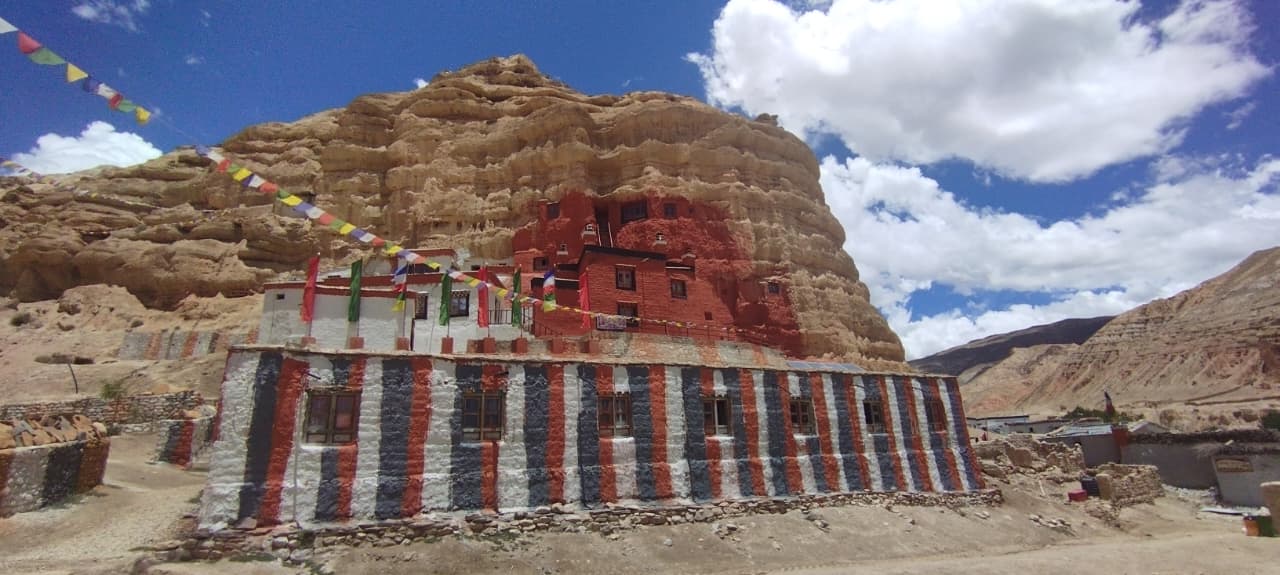
The Upper Mustang Trek offers a unique combination of dramatic landscapes, ancient culture, and unforgettable Himalayan experiences. Typical highlights include:
The Upper Mustang Trek is generally considered a moderate-level trek, but it should not be underestimated. Trekkers walk for several hours each day across dry, exposed, and sometimes rocky terrain, with frequent ascents and descents.
Altitude is another important consideration. Lo Manthang is situated at approximately 3,800 meters, and some trekking routes cross mountain passes above 4,000 meters. Proper acclimatization, adequate hydration, a gradual pace, and a well-planned itinerary are therefore essential for a safe and enjoyable journey.
One of the region’s greatest advantages is its location in the Himalayan rain shadow. While much of Nepal experiences significant monsoon rainfall, Upper Mustang remains comparatively dry. This makes the region one of Nepal’s unique trekking destinations and an excellent option for trekking during the summer and monsoon seasons.
Upper Mustang is designated as a Restricted Area, and trekkers are required to obtain a special trekking permit before entering the region.
The applicable permit fees and regulations may change, so travelers should confirm the current permit requirements, fees, and permitted routes with the relevant authorities or their trekking agency before departure.
If Everest represents the world’s highest mountain and Annapurna is renowned for spectacular Himalayan scenery, Upper Mustang represents discovery, culture, and exploration.
The region offers a rare combination of:
Ancient Kingdom • Tibetan-Influenced Culture • Himalayan Desert • Buddhist Heritage • Mysterious Caves • Dramatic Cliffs • Remote Villages • Lo Manthang • Unforgettable Adventure
Upper Mustang is not simply a trek from one destination to another. It is a journey through a remarkable landscape where geography, history, spirituality, and traditional Himalayan life come together.
Upper Mustang — where the Himalayas meet the desert, ancient culture lives on, and every trail tells a story.
For a professional trekking company such as SherpaHolic Treks And Expeditions, the Upper Mustang Trek can be presented as a premium cultural and adventure experience, offering travelers far more than a conventional trekking journey.
Option 1 – Tourist/Private Vehicle: Approximately 6–8 hours
Option 2 – Flight: Approximately 25 minutes
Your Upper Mustang adventure begins in Kathmandu. After breakfast, travel to Pokhara, Nepal’s beautiful lakeside city.
By road, the journey follows the Trishuli and Marsyangdi River corridors, passing through scenic hills, traditional villages, terraced farmland, and beautiful river valleys. Alternatively, a short flight offers spectacular views of the Himalayan ranges on a clear day.
Upon arrival in Pokhara, check into your hotel and enjoy the relaxed atmosphere around Phewa Lake
Driving Approximately 7–9 hours, depending on weather and road conditions
Today, you enter the dramatic Mustang region. The journey follows the Kali Gandaki Valley toward Jomsom and continues to the historic village of Kagbeni.
As you travel north, the landscape gradually changes from lush green hills and forests to the dry, rugged terrain of the Himalayan rain shadow.
Kagbeni is one of the most fascinating settlements in the region. Its traditional stone-and-mud houses, narrow winding lanes, rich Buddhist culture, and strategic location at the gateway to Upper Mustang make it a memorable overnight stop.
Overnight:in Kagbeni Meals: Breakfast, lunch, and dinner Activity: Scenic drive Walking: Short exploration of Kagbeni
Fitness Level: Easy to moderate
Altitude Consideration: This is your first significant overnight stay above 2,800 m, so take time to rest, stay hydrated, and allow your body to gradually adjust to the altitude
After breakfast, begin your first full day of trekking into Upper Mustang. The trail follows the Kali Gandaki corridor through an increasingly dramatic and rugged landscape.
Along the way, you will encounter dry cliffs, traditional villages, Buddhist chortens, mani walls, and spectacular geological formations that reflect the unique character of the Mustang region.
As you approach Chhusang, the landscape becomes even more rugged and colorful. The village is surrounded by impressive red and orange cliffs and offers an excellent opportunity to experience traditional Mustang architecture and local mountain culture.
Overnight: in Chhusang Walking: 6–7 hours Terrain: Rocky trails with gradual ascents and descents Fitness Level: Moderate
You should be comfortable walking for 6–7 hours in a mountain environment. Regular walking, hiking, or cardio training before the trek is strongly recommended to help prepare for the daily trekking distances and varied terrain.
Today is one of the more demanding days of the trek, as you gain significant altitude. The trail leads deeper into the spectacular Upper Mustang landscape, surrounded by barren mountains, deep valleys, and strikingly colorful rock formations.
Along the way, you will cross high terrain and pass through traditional mountain settlements before reaching Syangboche.
Because of the significant altitude gain, today's pace should be comfortable and controlled. Slow and steady is the key. Take regular breaks, stay hydrated, and allow your body enough time to adjust to the increasing elevation.
Overnight in Syangboche Walking 7–8 hours Terrain Rocky, dry, and undulating Fitness Level Moderate to challengin Altitude: 3,800 m / 12,467 ft
This is an important altitude-gain day. Stay well hydrated, avoid rushing, and listen to your body. Inform your guide immediately if you experience unusual headaches, dizziness, nausea, severe fatigue, or difficulty breathing.
After breakfast, continue your trek toward Lo Ghami. Although the final elevation is lower than Syangboche, the route includes several climbs and descents across Mustang's dramatic and rugged terrain.
The landscape along this section is particularly impressive, featuring enormous barren cliffs and distinctive red, brown, and gray rock formations. The stark scenery creates a unique contrast with the traditional villages scattered throughout the valley.
Lo Ghami is a traditional Mustang village known for its rich Buddhist heritage, ancient architecture, and striking natural surroundings. Take some time to explore the village and experience its unique mountain culture.
Overnight in Ghami Walking 5–6 hours Terrain Rocky trails with gradual ascents and descents Fitness Level Moderate
Today's trek takes you deeper into the cultural heart of Mustang. The trail crosses dry valleys and high Himalayan terrain before reaching the historic village of Charang.
Charang is an important cultural and historical settlement, known for its traditional houses, ancient monasteries, Buddhist chortens, and spectacular surrounding landscapes.
Take time to explore the village and experience its distinctive Tibetan-influenced architecture, Buddhist traditions, and unique mountain culture.
Overnight in Charang Walking 5–6 hours Terrain Dry, rocky, and relatively gradual Fitness Level Moderate
Today, you finally reach the legendary Lo Manthang, the historic walled settlement and cultural heart of Upper Mustang.
The trail takes you across an extraordinary high-altitude landscape, surrounded by barren mountains, dramatic cliffs, and vast Himalayan valleys. As you approach Lo Manthang, the ancient walled settlement appears dramatically against the rugged mountain backdrop.
Lo Manthang offers a remarkable combination of history, traditional architecture, Buddhist culture, and spectacular Himalayan scenery. Take time to explore the settlement and appreciate its unique cultural heritage.
Overnight in Lo Manthang Walking 5–6 hours Fitness Level Moderate Maximum Overnight Altitude: Approximately 3,840 m / 12,598 ft
Today is dedicated to exploring the cultural treasures and remarkable landscapes around Lo Manthang and Chhoser. This day also provides an excellent opportunity to acclimatize while discovering the unique heritage of Upper Mustang. Major Attractions Jampa Monastery
One of the important historic monasteries in the Lo Manthang area, known for its traditional Buddhist architecture and cultural significance.
Thubchen Monastery A significant Buddhist cultural site featuring traditional architecture, religious artwork, and a rich spiritual heritage.
Namgyal Monastery Another important monastery associated with the religious and cultural history of the Lo Manthang region.
Chhoser Cave Area Explore the remarkable cliffside caves and surrounding villages of Chhoser. These ancient cave settlements are among the most fascinating and distinctive features of Upper Mustang.
You will also have time to explore the ancient walled city, traditional homes, narrow lanes, local markets, and surrounding viewpoints.
Overnight in Lo Manthang Walking 5–6 hours of exploration Fitness Level Moderate Purpose Cultural exploration and acclimatization
This is one of the best days for photography, offering spectacular views of the surrounding Himalayan desert, ancient monasteries, dramatic cliffs, traditional villages, and distinctive Mustang architecture.
Today, you begin the return journey, but the scenery remains spectacular. The trail crosses remote valleys and high Himalayan terrain before reaching the famous village of Dhakmar.
Dhakmar is particularly renowned for its striking red cliffs, which create one of the most recognizable and dramatic landscapes in Upper Mustang.
This is a long and demanding trekking day, so maintaining a steady and comfortable pace is important. Take regular breaks, stay hydrated, and allow yourself enough time to complete the day's journey comfortably.
Overnight in Dhakmar Walking 8–9 hours Terrain Rocky, exposed, and undulating Fitness Level Challenging
You should be prepared for a full day on your feet. Training with longer hikes, preferably including both uphill and downhill sections, will help build endurance and make this demanding trekking day considerably more comfortable.
Continue your journey through the remote and spectacular Mustang landscape toward Syangboche. The trail crosses dry valleys, high ridges, and dramatic rock formations, with the scenery continually changing as you move through the valley system. Although the starting and ending elevations are similar, today's route includes repeated climbs and descents, making it a physically demanding trekking day. Maintain a steady pace, take regular breaks, and stay hydrated throughout the journey.
Overnight in Syangboche Walking 8–9 hours Terrain Rocky and undulatin Fitness Level Challenging
Today is a long and demanding trekking day. The trail gradually descends toward the Kali Gandaki Valley and eventually returns to Kagbeni, where you will notice a significant change in both altitude and landscape.
As you descend to lower elevations, the temperatures become warmer and the vegetation gradually becomes more abundant. The changing scenery provides a refreshing contrast to the dry, high-altitude landscapes of Upper Mustang.
After reaching Kagbeni, enjoy a well-earned rest and celebrate the completion of the main Upper Mustang trekking section.
Overnight in Kagbeni Meals Breakfast, lunch, and dinner Walking 8–9 hours Terrain Long descent, rocky trails, and road sections depending on route conditions Fitness Level Challenging
A 28 km trekking day at altitude is substantial and can be physically demanding. Depending on trail conditions, road conditions, weather, and the group's pace and fitness level, your professional trekking team may adjust the route or split this section into shorter stages to improve comfort, manage fatigue, and maintain safety.
After breakfast, drive back toward Pokhara. The journey follows the Kali Gandaki Valley, passing through Jomsom, Marpha, Tukuche, and other settlements, depending on the road route and current conditions.
As you descend to lower elevations, the landscape gradually changes from the dry Trans-Himalayan environment of Mustang to greener valleys, forests, and more temperate surroundings.
Upon arrival in Pokhara, enjoy a comfortable and relaxing evening beside the beautiful Phewa Lake, marking the end of your Upper Mustang trekking adventure. Overnight Hotel in Pokhara Activity Scenic drive Fitness Level Easy / Recovery Day
Option 2 – Flight: Approximately 25 minutes After breakfast, return to Kathmandu by road or domestic flight.
If traveling by road, enjoy the final views of Nepal's scenic hills, rivers, villages, and countryside. A flight provides a much faster journey and, weather permitting, offers beautiful views of the Himalayan range.
Upon arrival in Kathmandu, your 13-day Upper Mustang adventure officially comes to an end.
Tipping is not customary in Nepal. It is entirely optional, never expected, and should only be offered if you are genuinely happy with the service provided.
At SherpaHolic Treks And Expeditions, we ensure that all our guides, porters, and support staff receive fair wages, along with insurance, meals, accommodation, and the necessary equipment. Therefore, tipping is never an obligation.
Optional Tipping Guideline
If you would like to show your appreciation, the following amounts are considered reasonable guidelines:
* Trekking Leader: USD 9–10 per day, per client
* Assistant Guide: USD 6–7 per day, per client
* Porter / Support Staff: USD 5–6 per day, per client
Tips are generally presented at the end of the trek. They may be given directly to the individual staff members or collected and presented on behalf of the group.
Above all, tipping should always reflect your personal satisfaction with the service and remain a voluntary gesture of appreciation

.jpg)
.jpg)
.jpg)
.jpg)
.jpg)
.jpg)
.jpg)