Duration
18 Days

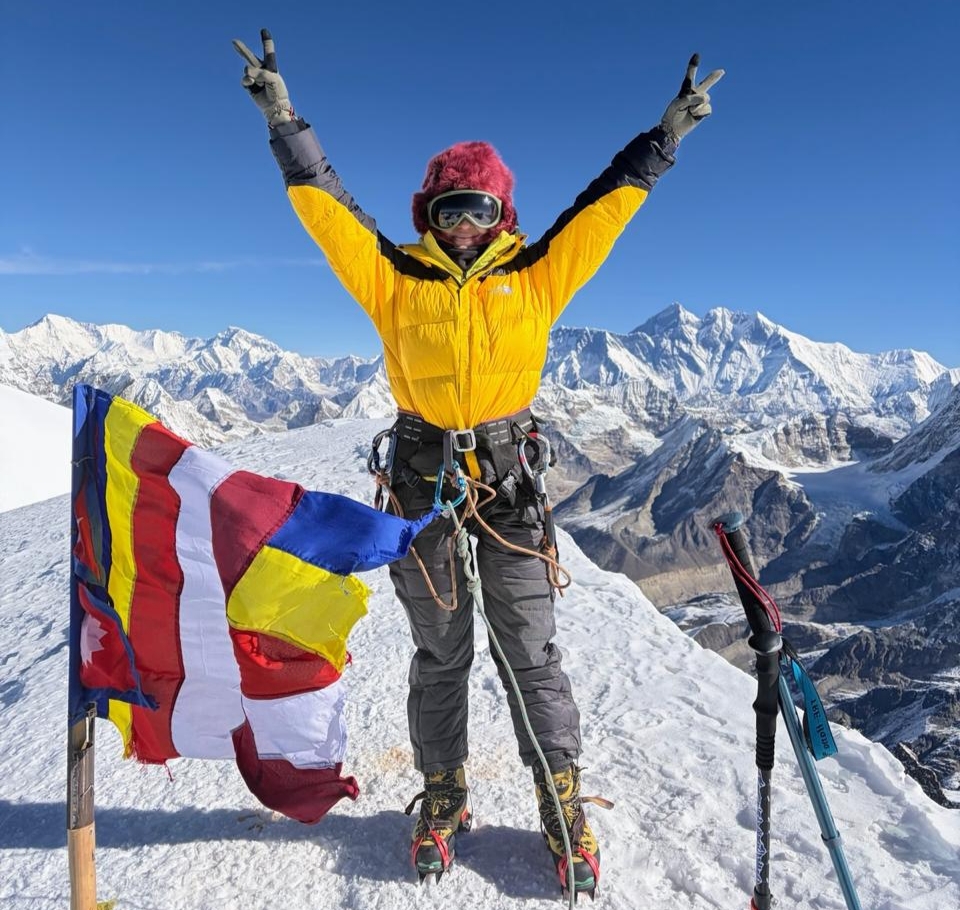
Mera Peak is a famous mountain in Nepal, known for being the highest trekking peak in the country. It stands at 6,476 meters (21,247 feet) tall making it a challenging but exciting destination for adventure lovers. Many people who want to experience mountaineering choose Mera Peak because it’s a great mix of adventure and stunning views even though it’s tough to climb.
The trek to Mera Peak starts in a town called Lukla, which you can reach by flying from Kathmandu, the capital of Nepal. From Lukla you begin walking through beautiful villages, forests, and along rivers. Along the way, you will see amazing mountain views, including Everest, Makalu, and other high peaks. The trail passes through areas where you can meet friendly local people, who live in small mountain villages.
Before reaching Mera Peak’s summit, trekkers spend several days at different heights to help their bodies adjust to the thinner air. This is called "acclimatization" and is very important to avoid altitude sickness. As you climb higher, you’ll notice the air getting thinner and the scenery getting even more breathtaking. On the way to the top, you will also have the chance to stay in teahouses, which are small lodges that offer food and shelter.
Climbing Mera Peak involves using special climbing gear, like ropes, ice axes, and crampons (spikes for your shoes). The final push to the summit is a real challenge, especially because the weather can be cold and windy. But when you reach the top the view is absolutely amazing! You can see many giant mountains including Mount Everest, and feel a huge sense of achievement.
Mera Peak climbing is great for people who have some trekking experience but want to try climbing a peak that is not too technical or dangerous. It’s a great way to get a taste of high altitude climbing without being too risky. However it’s still important to be prepared and to have a good guide or climbing team with you In the end climbing Mera Peak is a rewarding adventure that combines trekking, climbing and the beauty of the Himalayas. It’s a dream for many who want to experience the thrill of climbing in Nepal.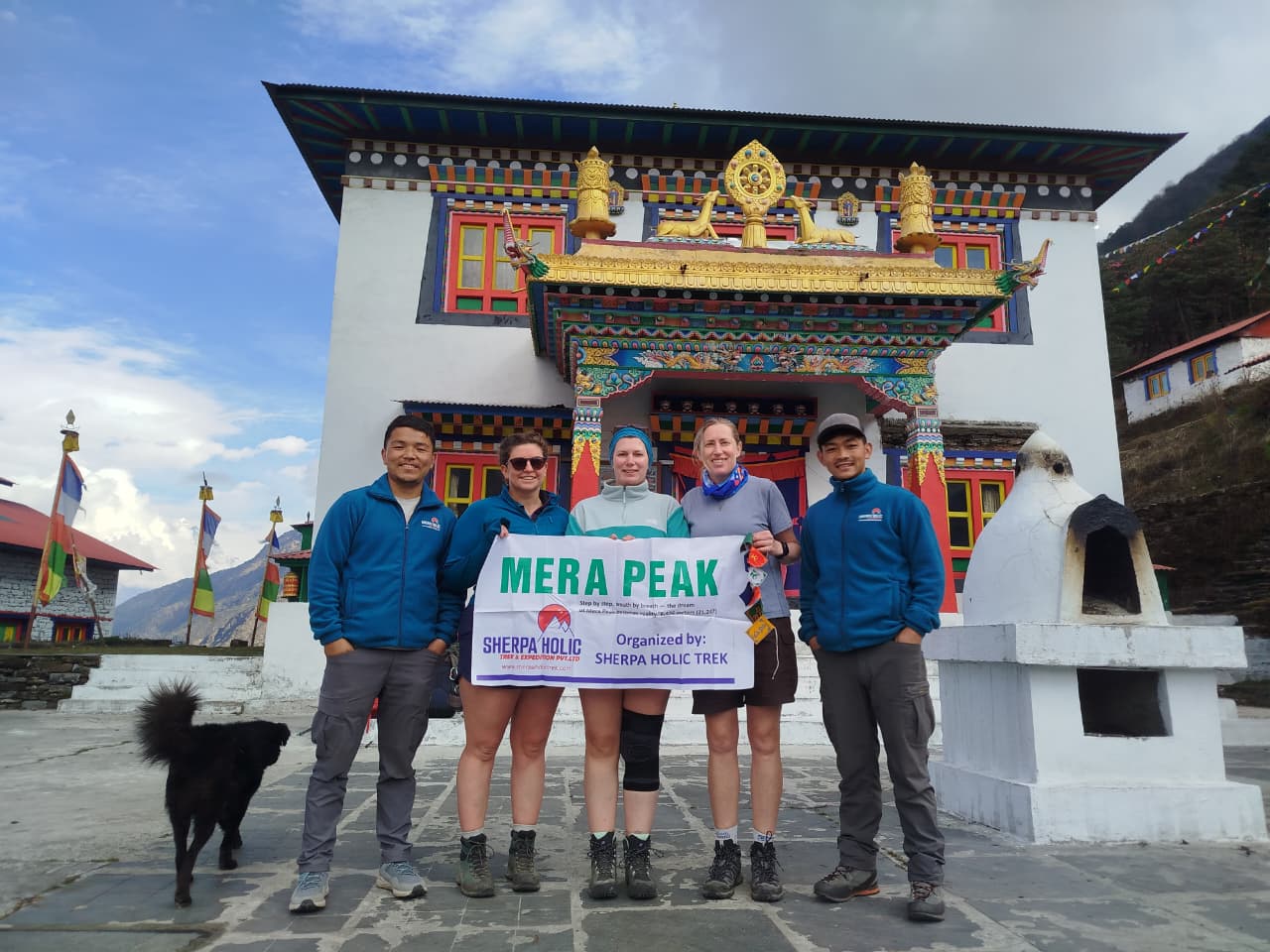
Mera Peak Climbing Highlights
At SherpaHolic Treks And Expeditions peak climbing is more than reaching the summit—it is about safety, preparation, teamwork, and creating unforgettable Himalayan experiences. With years of experience leading climbers across Nepal's most iconic trekking peaks, we are committed to delivering professional, reliable, and personalised mountaineering adventures.
Experienced Sherpa Climbing Team
Our experienced Sherpa guides have spent their lives in the Himalayas and possess extensive knowledge of Nepal's mountains, weather, climbing techniques, and high-altitude safety. Their expertise, local knowledge, and calm decision-making help climbers achieve their goals with confidence.
Safety Is Our Highest Priority
Every expedition is carefully planned with your safety in mind. We monitor weather conditions, maintain proper acclimatisation schedules, carry comprehensive first-aid equipment, and have clear emergency evacuation procedures. We never compromise on safety for the sake of reaching a summit.
Professional Expedition Planning
From your first enquiry until your return home, every detail is professionally organised. We arrange permits, transportation, accommodation, meals, logistics, and climbing equipment, allowing you to focus entirely on your adventure.
Personalised Climbing Experience
Every climber has different goals and experience levels. Whether you are attempting your first trekking peak or preparing for a more challenging expedition, we tailor our itineraries and support to match your abilities and ambitions.
High-Quality Equipment and Logistics
We use reliable climbing equipment and carefully manage expedition logistics to ensure smooth operations throughout the journey. Our experienced support team works behind the scenes so every expedition runs efficiently.
Ethical and Responsible Tourism
SherpaHolic believes in protecting Nepal's mountains for future generations. We follow environmentally responsible trekking and climbing practices, respect local cultures and traditions, and support local communities by employing experienced local guides and porters.
Local Knowledge That Makes the Difference
As a Nepal-based company with strong Himalayan roots, we share authentic cultural experiences alongside world-class mountaineering. Our guests experience not only the mountains but also the traditions, hospitality, and heritage of the Himalayan people.
Transparent and Honest Service
We believe in clear communication, fair pricing, and no hidden costs. Before every expedition, our clients receive complete information about the itinerary, required equipment, fitness preparation, and what to expect throughout the climb.
Comprehensive Support Before and During Your Expedition
From training advice and packing guidance to airport assistance and expedition briefings, our team supports you at every stage. Even after your climb, we continue to assist with travel arrangements and future adventure planning.
Climb Nepal's Most Beautiful Peaks with Confidence
SherpaHolic Treks & Expeditions proudly organises guided climbs to many of Nepal's most famous trekking peaks And Expeditions , including:
(1) Island Peak (Imja Tse) – 6,189 m
(2) Mera Peak – 6,476 m
(3) Lobuche East Peak – 6,119 m
(4) Yala Peak – 5,520 m
(5) Pisang Peak – 6,091 m
(6) Chulu East Peak – 6,584 m
(7) Chulu West Peak – 6,419 m
(8) Tent Peak (Tharpu Chuli) – 5,695 m
Whether you dream of your first Himalayan summit or are building experience for higher expeditions, SherpaHolic Treks And Expeditions provides the professionalism, knowledge, and dedication needed to help you succeed.
Your dream peak deserves an experienced team. Climb with confidence. Climb with SherpaHolic Treks & Expeditions—where safety, professionalism, and unforgettable Himalayan adventures come together.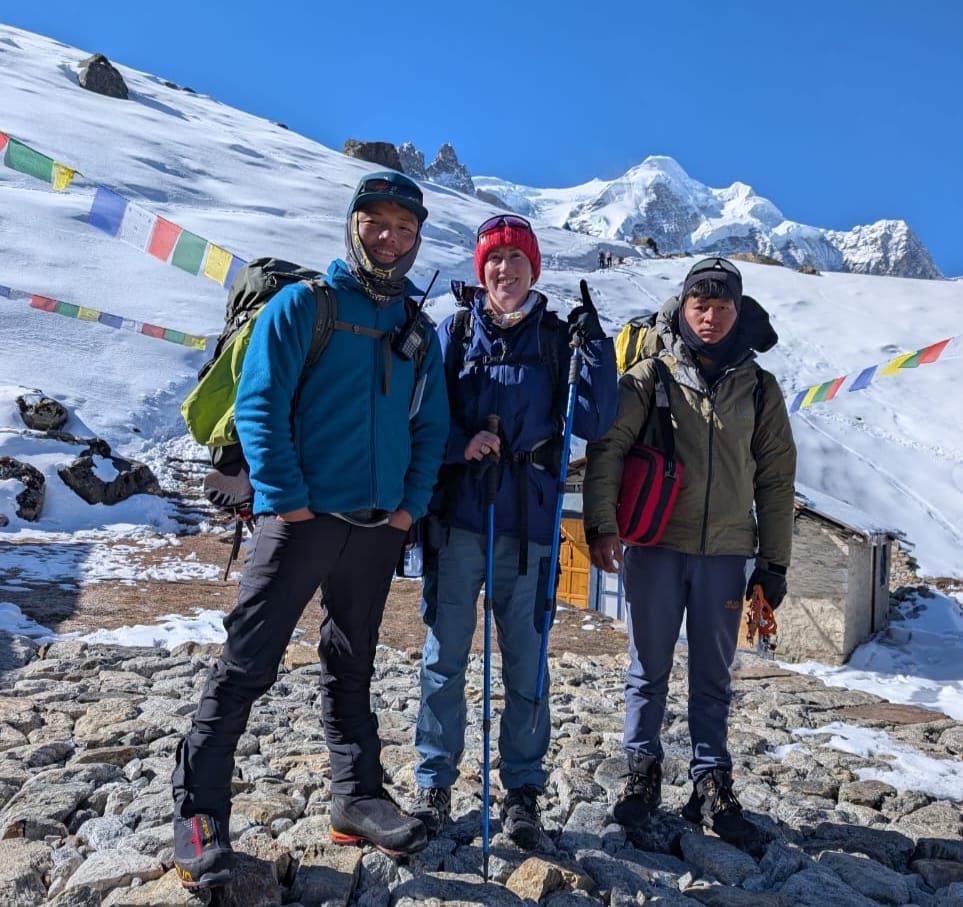
On Day 1 you will arrive in Kathmandu the capital of Nepal. This is where your adventure starts. Kathmandu is a busy city with narrow streets, colorful markets and ancient temples. After you arrive you will be picked up from the airport and taken to your hotel where you can relax and get ready for your journey In the afternoon you might have some free time to explore the city. You can visit famous places like Swayambhunath (Monkey Temple) or Durbar Square to see the old buildings and learn about the culture of Nepal Kathmandu is full of history and it’s a great place to start your trek. Your guide will meet with you in the evening to explain the plan for the trek and make sure you’re ready for the days ahead. You can also ask any questions you might have. After a nice dinner you can rest and prepare for the next day.
On Day 2 you will spend the day exploring Kathmandu and getting ready for your climb. After breakfast, your guide will take you on a tour of some important places in the city. You will visit temples and monuments, like the famous Boudhanath Stupa and Pashupatinath Temple where you can learn about the culture and history of Nepal. These places are peaceful and beautiful and you will get a chance to see how local people live In the afternoon you will focus on getting prepared for your trek You will meet with your climbing team and guide to check your gear and equipment. If you need anything you can buy it in the local shops. Your guide will also explain the details of the climb and answer any questions you have This day is all about getting ready for the adventure ahead. You will also have time to relax, pack your bags, and get a good night’s sleep before your early flight to Lukla.
On Day 3 you will have an early drive from Kathmandu to Manthali and then flight from Manthali to Lukla. The flight is exciting because Lukla has a small and tricky airport on the side of a mountain. Once you arrive in Lukla you will meet your trekking team and start the journey From Lukla you will begin trekking towards Paiya. The walk takes about 3 to 4 hours and is not too difficult. The trail goes through beautiful forests along rivers and past small villages. Along the way you will see amazing mountain views and enjoy the peaceful surroundings Paiya is a small village where you will stay for the night. You will have time to rest and enjoy a warm meal. The day is a good start to your trek with a gentle climb to help you get used to the higher altitude. You will stay in a teahouse where you can relax and prepare for the days ahead.
On Day 4 you will continue your journey from Paiya to Panggom. The trek will take about 5 to 6 hours, and it will be a little more challenging as you walk through steep trails. As you walk you will enjoy the views of beautiful forests hills and small rivers. The path will take you through traditional villages where you can see local people living their everyday lives. Panggom is a small village where you will spend the night. It is a peaceful place, and after the trek you will have time to relax. The village is surrounded by green hills and offers lovely views of the mountains. You will stay in a simple teahouse where you can enjoy a hot meal and rest your tired legs This day will help you get used to the trekking pace and higher altitude as you are gradually getting closer to Mera Peak. Make sure to stay hydrated and take it slow to adjust to the changing altitude.
On Day 5 you will trek from Panggom to Ningsow, which will take about 5 to 6 hours. The trail will be a bit harder as you walk up and down through forests and along mountain paths. You will pass through more small villages where you can see local people farming and living in a simple way. The views along the way are beautiful, with tall trees and the distant mountains. As you get closer to Ningsow, the surroundings start to change. You will see more open fields and fewer trees. Ningsow is a small village, and when you arrive you can rest and relax in a local teahouse. The altitude will feel a bit higher so it’s important to take your time and stay well rested In the evening, you will enjoy a nice warm meal and prepare for the next day’s trek. This day will help you get used to being higher up in the mountains and enjoy the peaceful environment around you.
On Day 6 you will trek from Ningsow to Chhatra Khola a journey that takes around 5 to 6 hours. The trail today will be a bit more challenging with some steep sections but the views are amazing. You will walk through forests filled with tall trees cross small rivers and see beautiful landscapes. The path will take you through more villages and you might see local people going about their daily activities like farming and herding animals As you get closer to Chhatra Khola you will notice the environment becoming quieter and more peaceful. Chhatra Khola is a small village where you will stay for the night. You will rest in a teahouse where you can enjoy a warm meal and relax after your trek. The altitude is still increasing so it’s important to drink plenty of water and walk at a comfortable pace This day helps you slowly adjust to the higher altitude while enjoying the natural beauty of the area
On Day 7 you will trek from Chhatra Khola to Kothe, which will take around 5 to 6 hours. The path today will be a bit steeper as you climb higher into the mountains. You will walk through beautiful forests, cross rivers and enjoy the fresh mountain air. As you walk you will see the landscape slowly changing with more open areas and fewer trees Along the way, you will pass small villages where local people live in traditional houses. Kothe is a small, quiet village where you will spend the night. When you arrive, you will feel the higher altitude so it’s important to take your time and relax In the evening, you will stay in a teahouse, enjoy a warm meal, and rest your body. This day is another step in your journey to Mera Peak. You will continue to adjust to the higher altitude, so be sure to stay hydrated and take it easy as you prepare for the days ahead.
On Day 8 you will continue your journey from Kothe to Thangnak, which will take about 4 to 5 hours. The path today will be a bit more difficult as you climb higher into the mountains. You will walk through rocky trails and cross a few streams. The views will become even more beautiful with snow capped peaks in the distance and the air becoming cooler and fresher. As you get closer to Thangnak you will notice the environment changing. The village is located at a higher altitude so it feels quieter and more peaceful. Thangnak is a small village where you will rest for the night. The altitude is getting higher, so it’s important to take it slow and listen to your body When you arrive you will stay in a simple teahouse where you can enjoy a warm meal and relax. This day will help your body adjust to the higher altitude as you get ready for the next steps of your climb to Mera Peak.
On Day 9 you will stay in Thangnak for a rest day. This is called an acclimatization day, which is important for your body to get used to the higher altitude. Instead of trekking, you will take a short hike around the area to help your body adjust to the thin air. The hike will give you a chance to see the surrounding mountains and enjoy the peaceful scenery Staying in Thangnak gives your body a break and helps prevent altitude sickness. It is important to stay hydrated and take things slowly during the day. You will also have time to relax and enjoy a warm meal at the teahouse Acclimatization days are key to having a safe and successful trek. It helps your body prepare for the higher altitudes ahead. After a day of rest and light activity, you will be ready to continue your journey towards Mera Peak with more energy and confidence.
On Day 10 you will trek from Thangnak to Khare, which will take around 3 to 4 hours. The trail today will be a bit more difficult as you climb higher into the mountains. You will walk through rocky paths and cross glacial rivers. As you get closer to Khare, the scenery will change, and you will begin to see snow-covered areas. The air will feel colder and thinner, which is normal as you reach higher altitudes Khare is a small village, and it will be your home for the night. When you arrive, you will feel the effects of the altitude so it’s important to take it slow and rest. This is the highest altitude you’ve reached so far, so your body will need time to adjust. You will stay in a simple teahouse where you can enjoy a warm meal and relax. This day will help you get used to being at higher altitudes as you continue your journey towards Mera Peak.
On Day 11 you will spend the day in Khare to help your body adjust to the higher altitude. This is another important acclimatization day. You will not do any long trekking, but instead, you will do some climbing training. This training will help you learn how to use your climbing gear, like crampons and an ice axe, which you will need for the climb to Mera Peak Your guide will show you the proper techniques for walking on snow and ice, and how to stay safe while climbing. The training will be helpful for the days ahead, so you will feel more confident on the mountain You will also have some time to relax and rest in Khare. It is important to stay hydrated and take things slow, so your body can adjust to the altitude. After the training and a good rest, you will be ready to continue your journey and move closer to reaching Mera Peak.
On Day 12 you will leave Khare and trek to Mera Peak High Camp, which will take about 4 to 5 hours. The trail will be steeper and more challenging as you climb higher into the mountains. You will walk on rocky paths and snow-covered ground, with stunning views of the surrounding peaks As you get closer to the High Camp, the air will become thinner, and you will notice the altitude affecting you more. It’s important to take your time and move at a slow pace to adjust to the high altitude When you reach Mera Peak High Camp you will feel a great sense of accomplishment. This will be your home for the night. The camp is simple, but it will be a great place to rest before the final push to the summit. You will enjoy a warm meal and have an early night to get ready for the climb to the top of Mera Peak the next day.
On Day 13 you will wake up early for a big day. You will begin your climb to the summit of Mera Peak. The journey will be tough and take around 8 to 10 hours. You will need to use your climbing gear, like crampons and an ice axe, as you move through snow and ice The climb will be slow, but the views of the surrounding mountains, including Everest, will keep you motivated. When you reach the summit of Mera Peak, you will feel proud and happy. The view from the top is incredible, with snow capped peaks stretching all around you. After taking some time to enjoy the view, you will start your way back down to Khare. It’s important to be careful on the descent, as it can be tricky When you return to Khare, you will feel a sense of relief and accomplishment. You will stay in a teahouse for the night, rest, and celebrate your successful summit of Mera Peak.
After the excitement of summiting Mera Peak Day 14 will be a more relaxed day. You will trek back down from Khare to Kothe, which will take around 4 to 5 hours. The trail will feel easier since you are going downhill, but you still need to be careful on some rocky and slippery parts As you walk, you will notice the change in scenery, from the high, snow-covered mountains to the green forests and villages. The lower altitude will help you breathe more easily, and you will feel less tired as you make your way back down. When you reach Kothe, you will rest in a teahouse and enjoy a warm meal. The day will give you a chance to reflect on your climb and the amazing adventure you’ve had. You will also have some time to relax and regain your energy for the next part of your trek as you continue your journey back to Lukla.
On Day 15 you will trek from Kothe to Thuli Kharka, which will take around 5 to 6 hours. The path today will be a mix of uphill and downhill walking. You will pass through forests with tall trees, and you may see some animals or birds along the way. As you climb higher, the views of the surrounding mountains will become more beautiful. The trail will be a bit challenging at times, but you will feel proud as you get closer to Thuli Kharka. When you reach the village, you will notice the air getting thinner, so it’s important to rest and take things slow. Thuli Kharka is a small, peaceful place where you will spend the night You will stay in a simple teahouse where you can enjoy a warm meal and relax. This day will help your body adjust to the altitude as you continue your journey back to Lukla. After resting you will be ready for the next part of your adventure.
On Day 16 you will trek from Thuli Kharka to Lukla, which will take around 6 to 7 hours. This will be the final day of your trek, and it will feel good to be heading back to Lukla. The trail will be mostly downhill, but there will still be some uphill sections along the way You will pass through forests, cross small streams, and enjoy the beautiful scenery around you As you walk you may see local people going about their daily lives, and the path will become busier as you get closer to Lukla. When you finally reach Lukla, you will feel a sense of accomplishment, knowing you have completed your Mera Peak adventure. In Lukla you will stay in a comfortable teahouse where you can relax and enjoy a warm meal. This day will give you time to reflect on your amazing journey to Mera Peak. After a good rest, you will be ready to fly back to Kathmandu the next day.
On Day 17 you will have an early morning flight from Lukla to Manthali, which takes about 30 minutes. The flight will give you one last chance to see the beautiful mountains from the sky Once you land in Manthali, you will drive for about 4 to 5 hours to Kathmandu. The drive will be on a paved road, and you will pass through small towns and villages seeing the countryside of Nepal. The drive might feel long, but it is a chance to relax and enjoy the views of the hills, rivers and local life. When you reach Kathmandu, you will feel happy to be back in the city after your adventure in the mountains Once in Kathmandu, you will check into your hotel, where you can rest and freshen up. You can also take some time to explore the city if you want. This will be a good day to reflect on your journey and all the amazing experiences you had on your Mera Peak climbing adventure.
On Day 18 it will be time to say goodbye to Nepal and head home. After having breakfast at your hotel in Kathmandu, you will have some free time to relax or do any last-minute shopping for souvenirs. You can explore the local markets and pick up some items to remember your trip by. When it’s time, you will be transferred to the airport for your flight back home. During the drive to the airport, you may think about all the amazing memories you’ve made during your Mera Peak climbing adventure. The mountains, the people you met, and the challenge of reaching the summit will stay with you forever As you board your flight, you will feel proud of what you accomplished. This adventure will always be a special part of your life. You will leave Nepal with a heart full of great experiences, knowing that you have climbed one of the highest peaks in the world and made lasting memories along the way.
Tipping is not customary in Nepal. It is completely optional, never expected, and should only be given if you are happy with the service.
Sherpa Holic Treks & Expeditions pays its staff fair wages and provides insurance, food, accommodation, and equipment, so tipping is never an obligation.
Recommended Tipping Guideline (Optional)
if you wish to tip as a gesture of appreciation, the following is a reasonable and respectful guideline:
climbing Leader: USD 150 per client
climbing Assistant Guide: USD 100 per client
Support Staff (Porter): USD 7–8 per day, per client
Tips are usually given at the end of the trek, typically in Lukla, and can be handed personally or collected and presented as a group.
This tipping guideline is provided solely as a voluntary recommendation. Tipping is entirely at the discretion of our guests and should reflect their satisfaction with the service received. Sherpa Holic Treks & Expeditions is committed to fair employment practices and ensures that all staff receive fair wages and appropriate benefits regardless of whether they receive tips
Waterproof and windproof jacket (Gore-Tex or similar)
Waterproof over-trousers
Heavy down jacket (expedition grade)
Lower Body
Trekking trousers (2 pairs)
Fleece trousers
Thermal leggings
Down pants (recommended for 6,000 m+ peaks)
Headwear
Warm beanie
Sun hat or cap
Balaclava
Buff/neck gaiter
Glacier sunglasses (Category 4)
Ski goggles (recommended)
Handwear
Lightweight liner gloves
Warm fleece gloves
Insulated waterproof mittens
Spare gloves
Footwear
Mountaineering double boots (required for most peaks)
Trekking boots
Camp shoes or sandals
Gaiters
4–5 pairs of trekking socks
2–3 pairs of warm wool socks
Sleeping Equipment
Sleeping bag (-20°C to -40°C, depending on the peak)
Sleeping bag liner
Inflatable or foam sleeping mat (if required)
Climbing Equipment
Climbing harness
Mountaineering helmet
Ice axe
Crampons
Ascender (Jumar)
Descender (ATC or Figure 8)
Locking carabiners (3–4)
Non-locking carabiners (2–3)
Safety sling and cow's tail
Prusik cords
Mountaineering rope (team equipment)
Snow pickets and ice screws (expedition equipment)
Backpack & Bags
40–50 L trekking/climbing backpack
70–90 L duffel bag
Waterproof pack cover
Dry bags or stuff sacks
Personal First Aid Kit
Personal medications
Diamox (consult your doctor before use)
Pain relief tablets
Blister treatment
Bandages
Antiseptic cream
Rehydration salts
Cold and cough medicine
Snacks
Energy bars
Chocolate
Nuts and dried fruits
Electrolyte powder
Note: The exact equipment required depends on the peak you are climbing. A 6,000 m trekking peak such as Island Peak, Mera Peak, or Lobuche East requires less technical equipment than a 7,000–8,000 m expedition. Sherpa Holic Treks & Expeditions will provide a detailed gear checklist specific to your chosen climb before departure
The reason Lukla flights are primarily from Manthali (Ramechhap Airport) instead of directly from Kathmandu (Tribhuvan International Airport TIA) is due to a strategic decision by the Civil Aviation Authority of Nepal (CAAN) to manage air traffic congestion at TIA especially during peak trekking seasons.
Kathmandu Airport Congestion:
TIA is Nepal's only international airport and serves as the main hub for both international and domestic flights During peak trekking seasons (Spring: March-May and Autumn: September-November), the number of trekkers flying to Lukla significantly increases.
This high volume of Lukla flights, combined with regular international and other domestic traffic, creates immense pressure and congestion on TIA's single runway and limited airspace.
This congestion leads to longer waiting times, flight delays, and increased unpredictability for all flights, including those to Lukla.
Shorter Flight Time and Increased Frequency from Manthali:
Manthali Airport is significantly closer to Lukla than Kathmandu. The flight from Manthali to Lukla takes only about 15-20 minutes compared to 30-35 minutes from Kathmandu.
This shorter flight duration allows airlines to complete more round trips to Lukla within the limited weather windows that are typical for the mountainous region. In essence, one round trip from Kathmandu-Lukla equals approximately two round trips from Manthali.
This increased efficiency helps to transport more trekkers and supplies to Lukla in a shorter period.
Improved Reliability and Reduced Delays (relative to Kathmandu):
Manthali Airport experiences much less air traffic than Kathmandu. This means fewer delays caused by runway availability, aircraft queuing, and air traffic control restrictions.
While Lukla's weather remains the ultimate unpredictable factor, flights from Manthali generally face fewer airport-related delays leading to a somewhat more predictable schedule.
Weather Considerations (secondary reason
While Lukla's weather is inherently unpredictable, Manthali, being at a lower altitude, generally experiences more stable and less severe weather fluctuations compared to Kathmandu, which can sometimes be affected by fog that doesn't reach Manthali. This contributes to better on-time performance for the Manthali-Lukla leg.
In summary, the shift to Manthali aims to:
Decongest Kathmandu's Tribhuvan International Airport Increase the efficiency and frequency of Lukla flights by leveraging the shorter flight distance. Improve the overall reliability of reaching Lukla by minimizing airport-related delays.
While it adds a 4-5 hour ground transfer from Kathmandu to Manthali for travelers, it is seen by authorities as a necessary measure to manage the high demand for Everest region treks and ensure smoother air operations. Direct flights from Kathmandu to Lukla are generally only available during the off-peak seasons when air traffic is lower.
Average rating: (5/5) for this Package

Review of Sherpa Holic Trek And Expedition
Reviewed June 20, 2026
We did the Mera Peak trek, and are friends who live in Kathmandu, and have done our fair share of treks in Nepal. We felt so well looked after and had a fantastic guide, Ngima, and excellent porters Anil and Ramesh. We had an injury and altitude sickness to contend with and the team made sure we got down and back to Kathmandu safely, as well as being a lot of fun along with way. Would definitely trek with them all again!
Date of experience: April 2026
